Rabbits are amazing pets, so it’s no wonder people get really interested in owning one around Easter time.
But getting a new pet shouldn’t be something you do as part of a holiday celebration.
We’ll take a look at what should go into your decision to get a bunny for Easter (or not). And more importantly, some nice alternatives to bringing a new furry friend home.
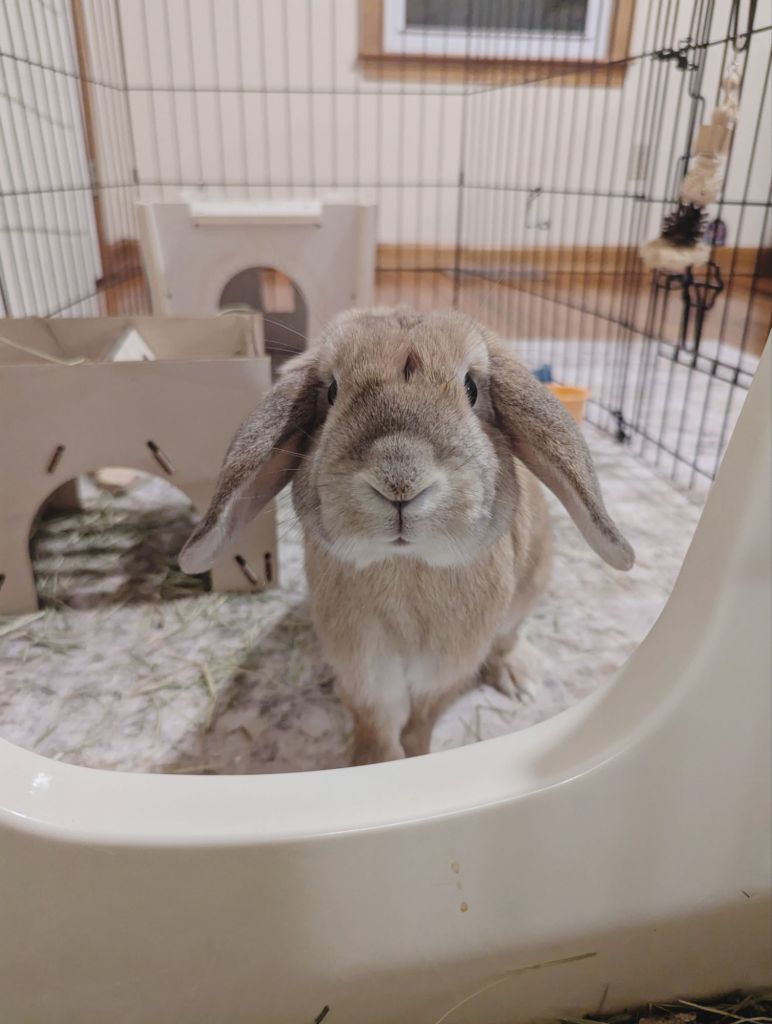
Pets are not presents
Owning a rabbit is no joke. Although many people consider them “starter” pets, that’s usually because they don’t know enough about proper, humane rabbit care.
Sure if you buy a rabbit, leave it outside in a hutch, and feed it one carrot a day, a rabbit is an easy pet. But that’s the equivalent of buying a dog, tying it outside on a rope, and feeding it a single bone each day. Not fair to the animal and certainly not in the spirit of Easter if that’s what you’re going for present-wise.
There are certain things you should consider before buying a rabbit no matter what time of year.
Here are some important reads to review to make sure you understand the cost of having a rabbit and what it takes to be a responsible pet owner.
- Honest Cost Breakdown: Owning a rabbit is probably more expensive than you think
- Pros and cons: Is owning a rabbit the right decision for you?
- So you want a rabbit? Here is an ethics comparison on where you buy
- Medical Issues and Money: Should I take my bunny to the vet?
Many Easter bunnies are abandoned each year
Oftentimes, people who want to gift an “Easter bunny” are looking for cute little baby bunnies, not fully grown rabbits.
It starts out cute enough. The bunnies are small and easy to manage. They still have their baby fur and are extra fluffy.
But then they enter the teenage phase a few months later. Their hormones are raging causing them to spray pee everywhere to mark their territory. Their hormones might make them start humping or cause them to become more aggressive. They get bigger and aren’t so cute anymore.
Instead of taking their rabbit to the vet (where their gender is often discovered) and spaying/neutering their rabbit, some people go with the more barbaric solution – dumping their rabbit in the wild.
This is essentially leaving their rabbit outside to die.
Domestic rabbits are not equipped with the survival skills that wild rabbits have. They’re also vulnerable to disease, could be eaten by predators, or even just hit by a car.
The phenomenon of dumping rabbits after Easter is so bad that shelter oftentimes have an adoption blackout period around Easter to discourage impulse adoptions. They also prepare for an influx of calls in the months following Easter, reporting rabbits being abandoned outside.
If you do end up getting an Easter bunny and have regrets, it’s important to know that dumping your rabbit outside is NOT the way to get rid of your pet.
Try contacting your local shelters to see if they can take the bunny back. Many shelters and even some breeders have policies asking you to return rabbits into their care if things don’t work out.
As a last resort, you can also try finding a new owner for your rabbit online. There are many rabbit rehoming groups. Just do your due diligence to make sure your rabbit is going to a good, responsible home. And do not list your rabbit for free. That makes it easier for people to pretend to want to adopt your rabbit, only to feed it to other pets like snakes.
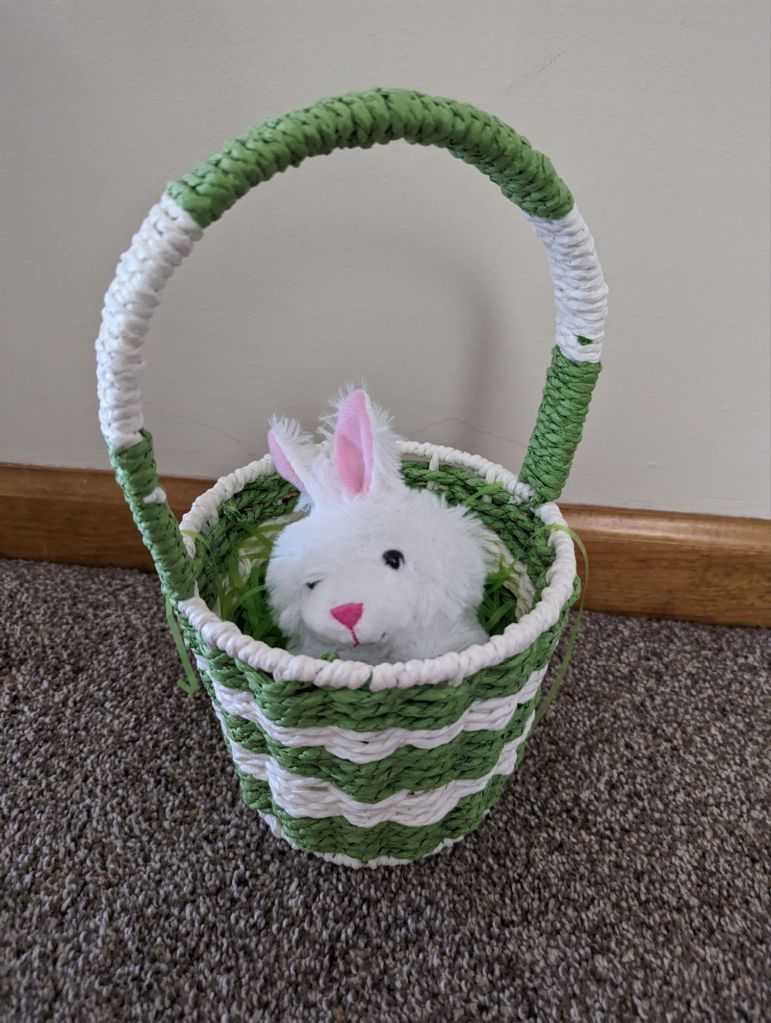
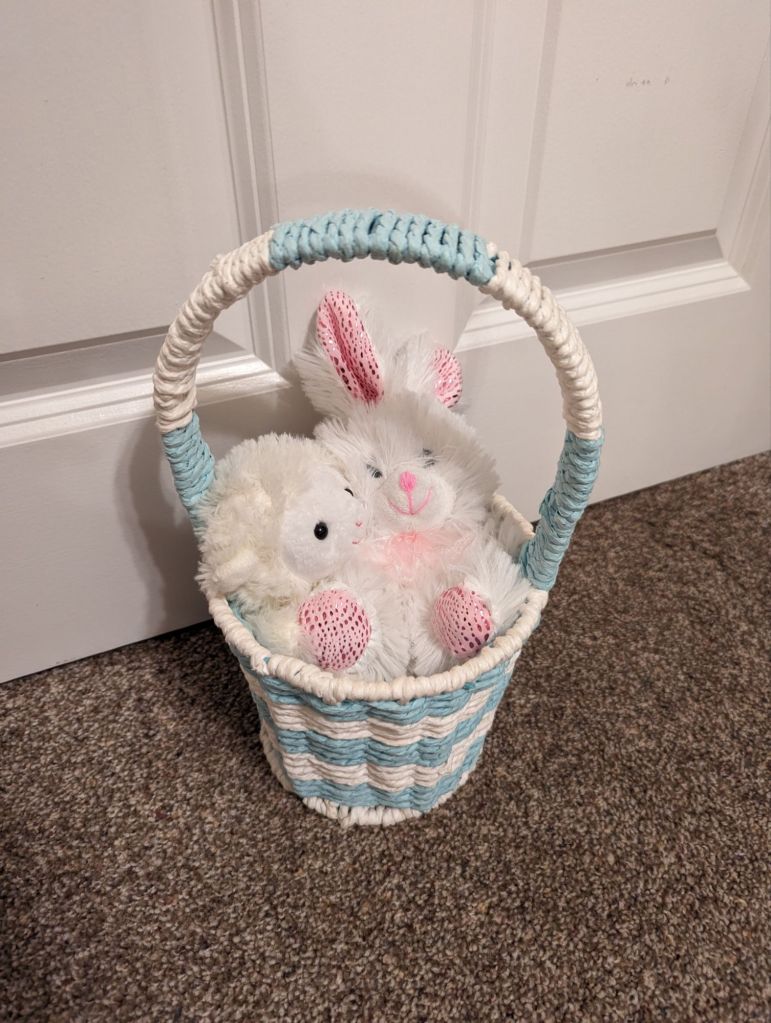
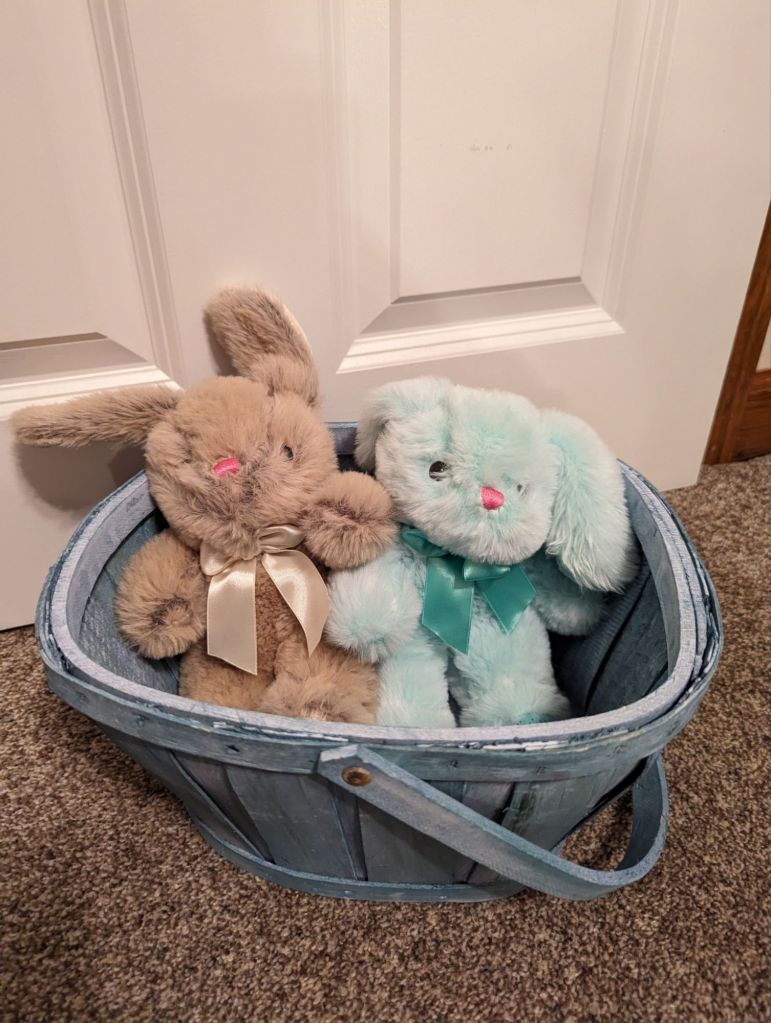
Gift ideas for children
In most of the cases I’ve seen, parents are looking for baby bunnies as part of Easter basket surprises for their kids.
But I can assure you, your child doesn’t need a rabbit. Unless they’re old enough to independently take care of a pet and have extensively researched rabbit care themselves, they’ll be completely fine with an alternative gift.
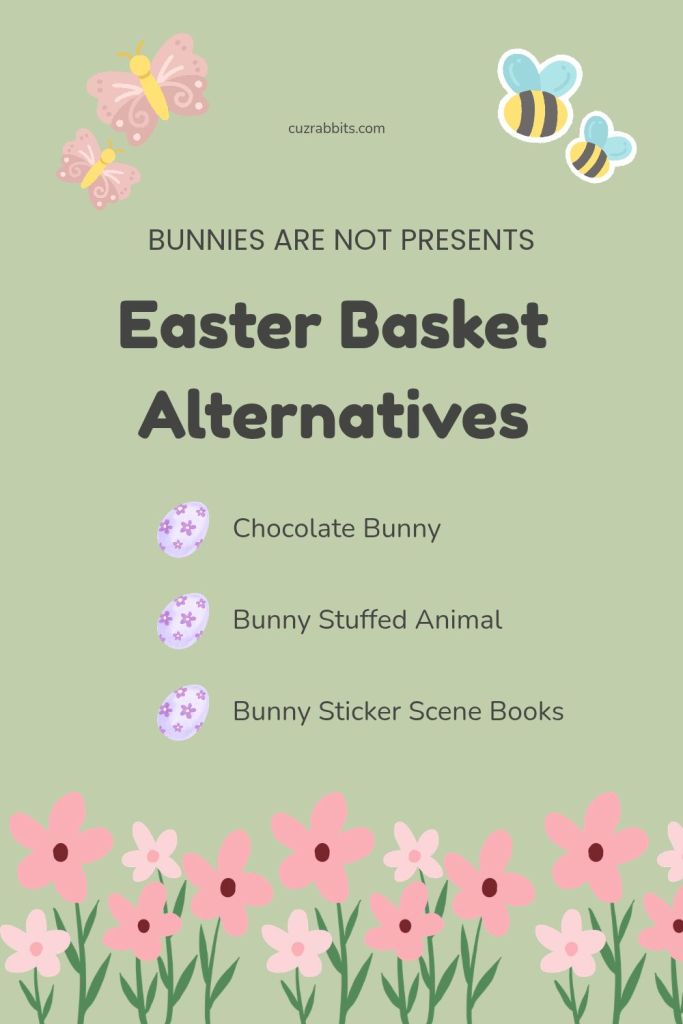
Here are some fun options:
- Chocolate bunnies: Every grocery store will have a chocolate bunny in stock for Easter. If you want to make it a really special gift, shop local and buy your candy at a small mom and pop store.
- A stuffed animal: There are some really good quality brands that sell rabbit stuffies. For something more unique, go with a Warmie bunny, which you can heat up in a microwave for extra comfort.
- Stickers: Pick up some cute bunny stickers they can use to decorate their school notebooks or coloring pages! Take it up a notch by ordering on Etsy from an artist that hand draws them. There are also really cool bunny scene books where kids can position stickers on a house background, for example, to really get the imagination going!
Gift ideas for adults
Adults can fall into the Easter bunny trap too.
Instead of gifting a loved one a pet, consider these alternatives:
- Alex and Ani Peeps collection: The brand has come out with super cute bunny earrings and necklaces featuring the Peeps bunny candy. They come in silver and gold options.
- Fable England rabbit collections: I’ve followed Fable England as a brand for quite a while now, because their products are just so beautiful. They have two different rabbit-themed collections, one regular rabbit version and one for their Peter Rabbit collaboration. For both, they offer a variety of things, from bags to earrings to brooches to bracelets. I personally love this pair of earrings of Peter Rabbit reading a book!
- Lego Easter Gifts: Get crafty with it! Lego has a bunch of different rabbit Lego sets, including a Bugs Bunny one. This gift gives your loved one a fun activity they can do, and then after, they can display their creation!
- Rabbit-themed home decor: Go to any home goods or craft store and there are tons of Easter and rabbit-themed products. Some are tacky. Some are cute. So really think about what the person you’re gifting this to will actually enjoy or use. Don’t just buy something to buy something (fight overconsumption!).
You can also gift an adult anything you’d gift a kid, because who doesn’t love a cute stuffed animal or delicious chocolate!

Note: As an Amazon Associate I earn from qualifying purchases. I get commissions for purchases made through links in this post.
Stay Connected
Sign up for our newsletter through Substack. We’ll send updates about our latest blog posts and projects, so you won’t miss a thing!






























 cuzrabbits